Top Stories
Mining
Malawi advances preparations to establish Sovereign Wealth Fund
July 13, 2026 / Wahard Betha
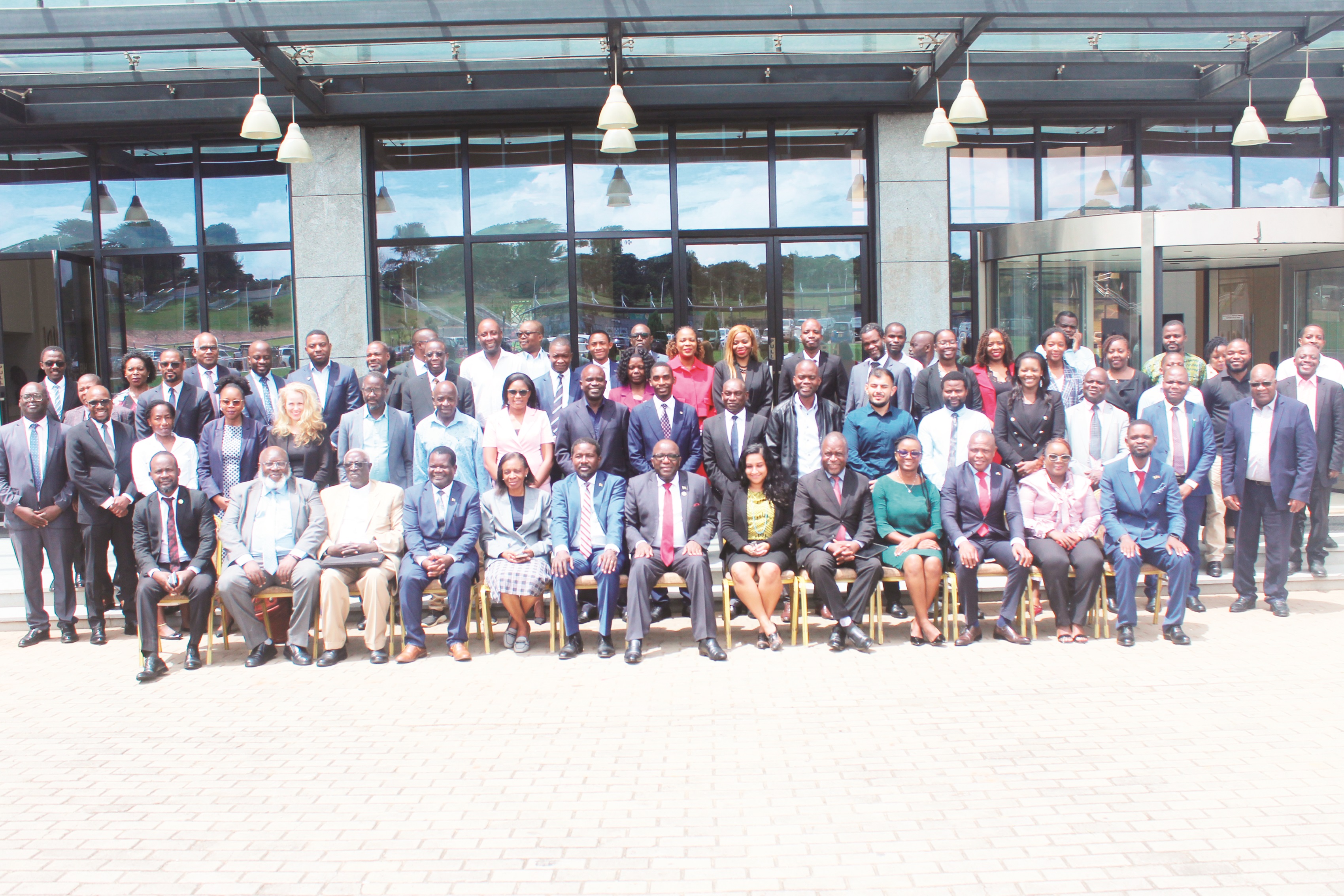
A Technical Task Force drafting the Sovereign Wealth Fund (SWF) has proposed an implementation plan that will involve hosting the fund at the Reserve Bank of Malawi (RBM) to ensure that it is not mismanaged and fully benefits the country’s economy.
Speaking during the SWF validation meeting on the final feasibility study in Lilongwe, Chairperson for the Task Force Adwell Zembele stressed that establishing the Malawi SWF to save the revenues at RBM will protect it from being used to pay the government’s creditors.
Zembele also elaborated plans to draft MSWF legal, regulatory and governance framework as well as constitute board of directors for the fund.
He said: “Once the MWSWF is established by law, the Board of Directors will be named and begin their work of establishing the sub-funds, first by hiring CEOs and senior managers, then by deciding on key policies of the fund, and disbursing funds.”
Zembele also said there is need to develop operational policies and guidelines, which will include: investment guidelines, risk management strategy, external manager model contract, procurement policy, board procedures, asset valuation guidelines, annual financial reporting template, public communications framework, code of conduct for board, managers and staff and, human resources policy.
“The MWSWF, if well designed and managed, can be transformative for the country. The scale of the impact of the fund will depend on issues like the mining projects that are developed and their legal terms; the effectiveness of the government to fully collect taxes and royalties; the strength of the fund’s investment guidelines, oversight and transparency; and the fund manager’s competence and levels of effort,” he said.
In his keynote address, RBM Deputy Governor for Operations Kisu Simwaka called for collaboration in order for the fund to successfully impact the national economy.
Simwaka said if the key players join hands in developing the fund with integrity, discipline, and unity, it can help the nation to finance modern infrastructure, build skills for new industries, diversify the economy, reduce dependence on external financing, and unlock the economic potential of every district in the country.
He said: “We are ready and reaffirm our unwavering commitment to championing good governance, financial integrity, and strong institutional stewardship of this national asset. Malawi’s mineral wealth must uplift all Malawians today, and long after we are gone,” he said.
“If we stay united in this purpose, if we remain disciplined in implementation, then years from now our children will look back and say: ‘That was the moment Malawi chose a different future. A future of responsibility. A future of dignity. A future of hope. This is how we turn a mineral opportunity into a permanent national legacy.”
Simwaka hailed progress of some mining projects in the country saying they are symbols of possibilities that will rewrite Malawi’s economic story.
He said the credibility of the fund will depend not only on its objectives but also on its governance saying it is the anchor of Trust.
“A Sovereign Wealth Fund designed for Malawi’s realities gives us three powerful tools of stability, savings and, Strategic investment. The framework presented today from the Mineral Revenue Account to the Earmarking Fund, to the Malawi Investment Fund offers us a path guided by discipline, transparency, and long-term vision. From a macroeconomic standpoint, this is not just good practice but also indispensable for building a stronger, more resilient economy,” Simwaka said.
In his State of the Nation Address (SONA), the state President Peter Mutharika expressed his commitment to establish the fund.
The feasibility study is being supported by Adam Smith International’s Malawi Value Development Office’s Malawi Trade and Investment Programme.
Share this:
Leave a Comment
Comments
Mining & Trade Review News

Agribusiness News
Subscribe to Newsletter
Rehabilitation:
The establishment of a stable and self-sustaining ecosystem, but not necessarily the one that existed before mining began. In many cases, complete restoration may be impossible, but successful remediation, reclamation, and rehabilitation can result in the timely establishment of a functional ecosystem.
Archives
Remediation:
The cleanup of the contaminated area to safe levels by removing or isolating contaminants. At mine sites, remediation often consists of isolating contaminated material in pre-existing tailings storage facilities, capping tailings and waste rock stockpiles with clean topsoil, and collecting and treating any contaminated mine water if necessary.
Stakeholders Logos